World Environment Day: what it means for the children who inherit our planet
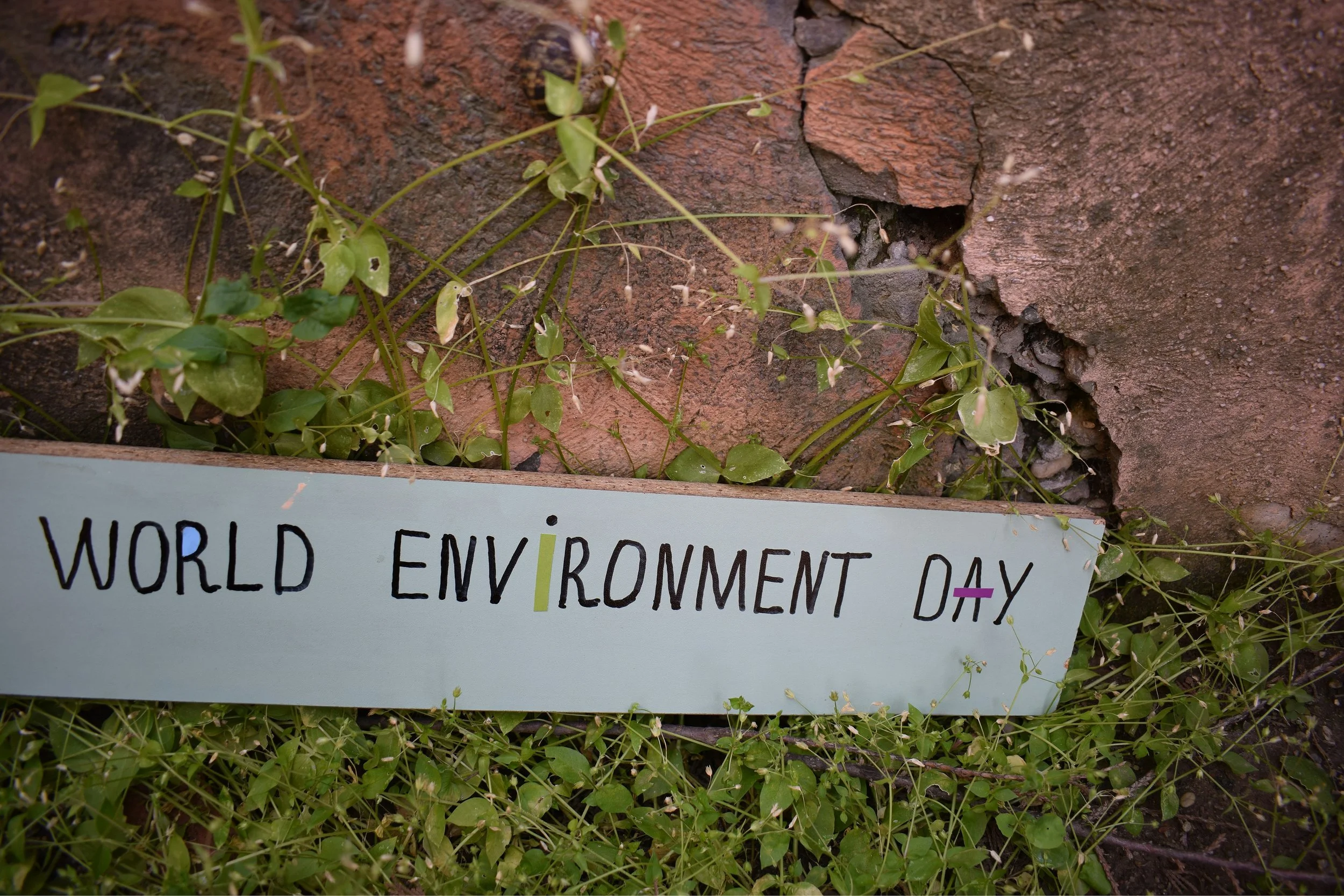
Marija Zaric, Unsplash.
Every year on June 5, the world comes together to observe World Environment Day—a global occasion dedicated to raising awareness and taking action for the planet. Established by the United Nations in 1972, it has grown into one of the largest international platforms for environmental outreach, with governments, communities, businesses, and individuals joining hands to address pressing ecological challenges.
While the day serves as a reminder for everyone, its true significance shines most brightly when we think about children who will inherit the Earth we leave behind. They are not only the leaders, innovators, and caretakers of tomorrow, but also the ones most vulnerable to the choices we make today.
A planet under pressure
The state of the environment today paints a sobering picture. Climate change is causing rising global temperatures, more frequent heatwaves, floods, and storms. Forests—our planet’s lungs—continue to be cleared at alarming rates. Oceans are filling with plastic waste, while biodiversity declines faster than at any point in human history.
For adults, these issues may feel like distant warnings. For children, however, they represent the world they will grow up in, the reality they will have to face long after current leaders and policymakers are gone.
A child born today could live to see the year 2100. By then, the world could either be one where renewable energy powers our cities, forests thrive, and rivers run clean—or one plagued by environmental collapse, mass displacement, and scarcity of resources. Which version they inherit depends on the actions we take now.
Why world Environment day matters for children
World Environment Day is not just another date on the calendar. For children, it represents:
1. Hope and awareness:
The day is an opportunity to teach children about the natural world and the importance of caring for it. Activities like tree planting, clean-up drives, and school projects help them see that their voices and actions matter. When children grow up aware of environmental challenges, they are more likely to make sustainable choices as adults.
2. Empowerment and agency:
Too often, young people feel powerless in the face of global problems. World Environment Day provides a sense of empowerment—it tells them: ‘You are part of this change.’ Youth-led climate movements in recent years show how strongly children and teenagers are ready to step up when given the chance.
3. A reminder of responsibility:
For adults, World Environment Day is also a moral checkpoint: are we acting as responsible stewards of the Earth for the sake of the next generation? Every decision about energy use, land conservation, or pollution control has a direct impact on the world children will live in.
Teaching children the value of nature
One of the most powerful things parents, teachers, and communities can do is connect children with the natural world. When kids spend time outdoors—exploring forests, planting seeds, observing birds, or simply playing in a park—they build a sense of wonder and appreciation for life around them. This emotional bond is often what inspires a lifelong commitment to protecting the planet.
Practical steps could include:
School gardens where children learn how food grows.
Recycling projects that show how waste can be transformed.
Storytelling and art focused on animals, forests, and oceans.
Outdoor activities like nature walks and clean-up campaigns.
These experiences are not just educational; they nurture empathy and responsibility toward the Earth.
Intergenerational responsibility
The theme of inheritance is central here, where every generation inherits the planet from the one before, but unlike money or property, the Earth is a shared inheritance. If it is degraded, children cannot simply ‘buy another one.’
This means today’s adults are trustees, not owners. Our duty is to hand over a world that is not worse—but hopefully better—than the one we received. This includes ensuring clean air, safe water, fertile soil, and thriving biodiversity.
World Environment Day acts as a reminder of this intergenerational responsibility. It challenges us to look beyond short-term gains and think about the kind of home we are creating for children not just now, but decades into the future.
How children can be part of the change
Though young, children are not powerless. They can:
Reduce waste by practicing recycling and avoiding single-use plastics.
Save energy by turning off lights and conserving water.
Raise awareness among peers by sharing what they learn.
Take part in eco-projects like tree planting and community clean-ups.
Use creativity—through art, writing, or social media—to spread environmental messages.
Even small actions, when multiplied by millions of children worldwide, create a ripple effect of change.
Looking ahead with hope
The challenges facing our planet are real and urgent, but they are not insurmountable. The story of the environment is still being written. Children deserve a future where they can breathe clean air, drink safe water, and marvel at the beauty of nature.
World Environment Day is more than just an annual event—it is a promise, a commitment to the generations that follow. By making conscious choices today—shifting to renewable energy, protecting ecosystems, reducing waste, and nurturing awareness—we can pass on a healthier, more vibrant Earth to our children.
As inheritors of this planet, children remind us that our actions are not just about us, but about those who come after. Perhaps that is the truest meaning of World Environment Day: a call to live not just for today, but for tomorrow.
