Floating harmony: the connection between rider, horse, and mental wellbeing
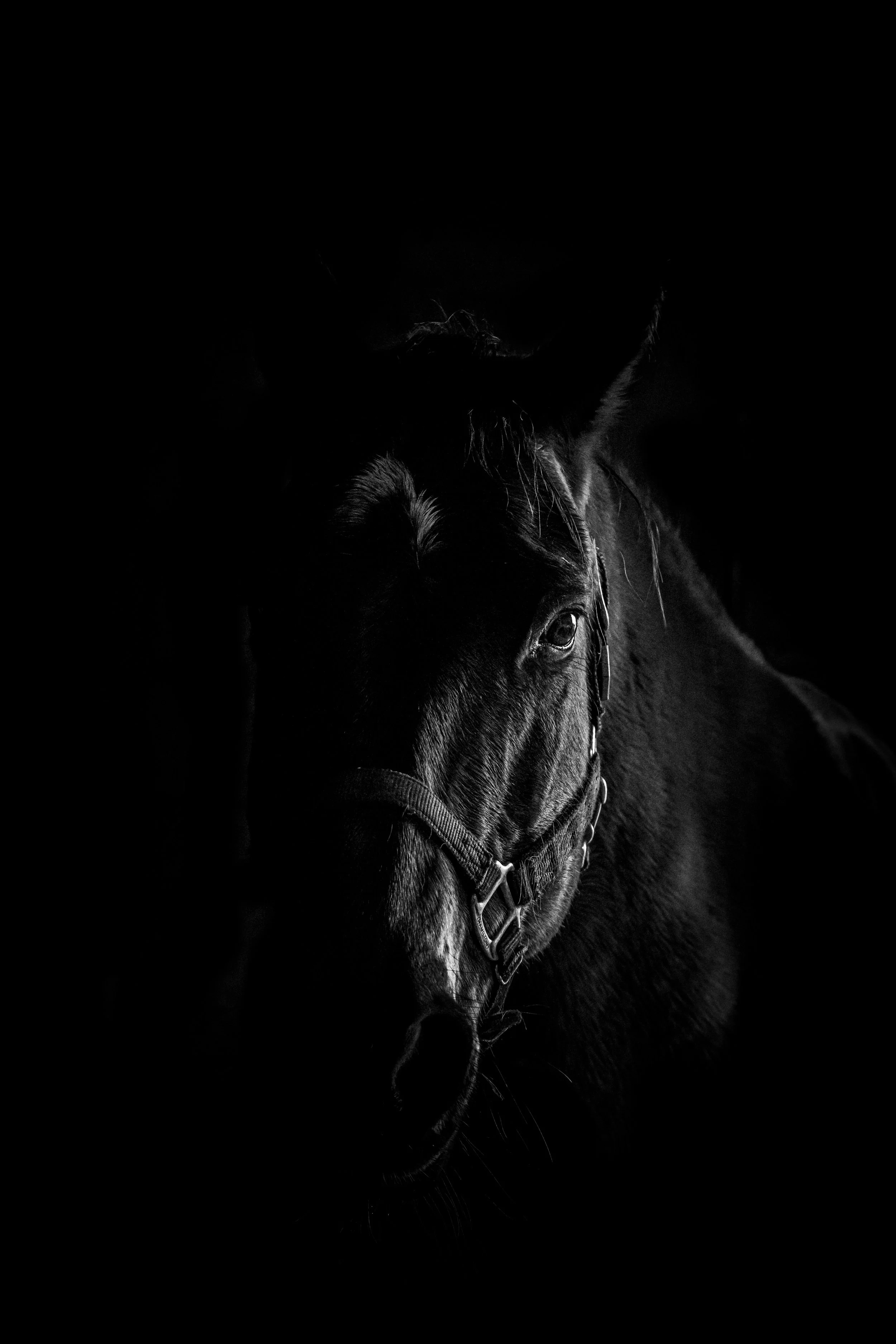
Loner Deer, Unsplash.
Discover how the unique bond between horse and rider can offer children, teachers and school staff a powerful source of wellbeing, balance, and renewed perspective
To ride a horse is to slip into a rhythm beyond your own — the steady heartbeat beneath you, the effortless lift of each stride, and the quiet moment when horse and human move as if guided by a single breath. This feeling of being utterly in tune, both grounded and weightless at once, is known by many equestrians as ‘floating harmony.’ It is a quiet, balanced state where communication feels effortless and calm. This unique concept can also help children understand important aspects of mental wellbeing such as trust, empathy, emotional regulation, and balance.
Anna Sewell’s Black Beauty has captivated young readers for generations because it speaks directly to the heart. Told through the eyes of the horse himself, the story invites children into a world where loyalty, kindness, and courage greatly matter. The plot follows Black Beauty from his peaceful early life, through a series of changing owners and environments, each revealing something new about human nature. Along the way, Beauty forms deep bonds, faces challenges, and encounters a cast of characters who shape his understanding of the world. Readers not only follow Beauty’s journey through life, but also feel it, by discovering empathy through his experiences with both gentle and unkind humans. Through gentle storytelling, reflection, and creative activities, pupils can learn that kindness and understanding help both people and animals feel safe, valued, and connected.
Understanding floating harmony
Floating harmony describes a moment of connection where the rider’s body, breath, and intention align with the movement of the horse. Riders often explain that the horse seems to read their thoughts, responding with ease and calm. This state reflects several key aspects of positive mental health in children.
Regulating emotions – staying calm and balanced
Horses are highly perceptive and mirror the emotional energy of the rider. A calm regulated rider helps create a calm horse, which is essential for harmony. When a rider breathes deeply, relaxes unnecessary tension, and stays emotionally steady, the horse feels safe enough to soften, stretch, and move freely. This show that emotional regulation is about finding a grounded centre, so the partnership stays balanced even when challenges arise.
Building trust – forming relationships based on safety and empathy
Floating harmony is impossible without trust. A horse must believe that the rider will not cause pain, confusion, or fear; a rider must believe the horse will respond with honesty and effort. Trust grows from consistent, empathetic handling — rewarding small tries, allowing time to learn, and listening to the horse’s signals. When trust is established, the horse offers movement more willingly, and the rider can guide with lighter aids. This mutual confidence creates a sense of safety that allows both partners to fully relax into their shared rhythm.
Communicating gently — using clear, respectful signals
Harmony emerges through subtle, respectful communication. Horses understand softness far better than force. When a rider uses gentle cues, clear shifts in weight, quiet hands, and steady leg aids, the horse can respond with precision and ease. Gentle communication avoids overwhelming the horse; instead, it invites cooperation.
Learning from Black Beauty
Written over 150 years ago, Black Beauty remains a powerful story about compassion.
There are several key messages for students in the text.
Kindness promotes confidence and cooperation
One of the clearest examples is Beauty’s early training with Farmer Grey. Grey treats the young horse with patience, gentle handling, and clear cues. Because Beauty is never rushed or frightened, he learns to trust humans and responds willingly. Later, Beauty describes how this careful start makes him confident, steady, and eager to please. Likewise, Squire Gordon’s household shows how kind treatment creates calm, reliable horses; Ginger, though spirited, behaves far better when cared for with understanding and respect.
Rough or impatient behaviour creates fear and distress
Beauty’s friendship with Ginger provides a strong contrast, as she explains that her aggressive behaviour began with harsh early training: biting bits, rough breaking-in, and impatient grooms who punished instead of teaching. These experiences left her nervous, angry, and fearful. Another example appears when Beauty is forced to wear the bearing rein under Miss Lavinia and later the Earl’s fashionable coachman - an impatient insistence on appearance over welfare. Beauty’s pain, difficulty breathing, and distress show how rough or thoughtless choices directly damage both wellbeing and performance.
Empathy helps relationships grow in healthy, positive ways
Empathy shines through in Beauty’s bond with John Manly, the head groom at Birtwick. John takes time to understand each horse’s needs, noticing when they are tired, sore, or unsettled. Because he listens and responds with care, the horses trust him completely. This empathy also appears when Joe Green, the young stable boy, learns from his early mistake of giving Beauty cold water after a hard ride. Instead of being shamed, he is taught gently, and his newfound understanding strengthens his relationship with Beauty and helps him grow into a thoughtful, capable horseman.
These themes mirror the classroom environment: when children feel heard and respected, they are more able to learn, connect, and thrive.
Classroom reflection activity
1. Read.
Share a short passage from Black Beauty — for example, when Beauty meets a gentle groom or kind owner.
2. Discuss.
How does Beauty feel when treated kindly?
How does he behave when people are patient and gentle?
3. Reflect.
Invite pupils to think about a time when they felt.
in harmony with someone a friend, teacher, sibling, or animal.
What helped them feel connected or understood?
What behaviours helped build trust?
4. Create.
Ask pupils to draw or write about what floating harmony might look or feel like in their own lives. This could be through teamwork, play, caring for an animal, or even during quiet moments. This activity supports emotional literacy, empathy, and self-awareness.
Floating harmony as a wellbeing metaphor for students
Floating harmony is more than a riding experience. It offers a helpful metaphor for children learning about balance and wellbeing.
Balance: We can feel steady by managing emotions and recognising our needs.
Listening: Paying attention to ourselves and others helps build stronger relationships.
Connection: Kindness and patience create environments where everyone feels safe and confident.
Just as rider and horse find rhythm together, children can learn to find balance within themselves and with others.
Equine-assisted therapy: a tool for connection
Equine-assisted therapy is widely used around the world to support children with emotional, social, behavioural, and developmental needs. While the details vary, the core idea is the same everywhere: the horse becomes a partner in therapy, helping children regulate emotions, build confidence, and develop communication skills.
The Egala-Model (Equine Assisted Growth and Learning Association) programme centres exist in many countries and are effective partners in helping children build trust, develop confidence, process difficult feelings, and strengthen communication skills. Even without formal therapy, many children benefit from spending time with animals. These relationships can offer comfort, stability, and a sense of being understood.
Conclusion
Floating harmony shows us that calmness, trust, and gentle communication create balance both in the saddle and in everyday life. Horses respond to kindness, and so do people.
Black Beauty teaches that compassion has real power. When we act with empathy, we help others feel safe and supported — and we nurture our own mental wellbeing too. Encouraging children to listen, show respect, and build trust helps create classrooms where everyone can grow, learn, and feel strong.
