When nature becomes fantasy: unlocking hidden worlds in Tom’s Midnight Garden and The Secret Garden
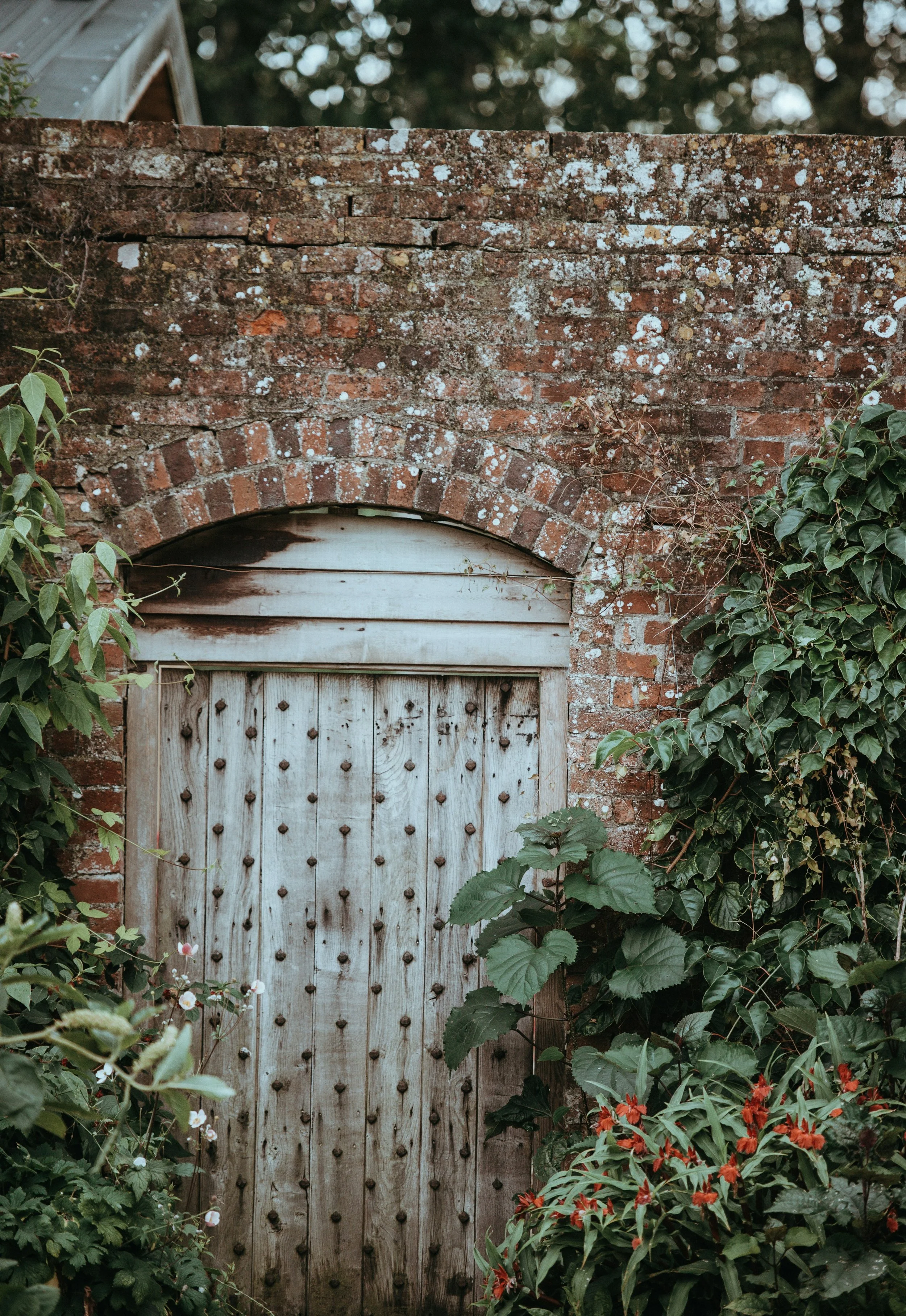
Annie Spratt, Unsplash.
Step into a garden at dusk. The air cools, shadows lengthen, and for a moment, the ordinary world seems to shiver with possibility. A hedge might hide a doorway; a clock might strike an impossible hour. Literature has long used nature as a gateway to the fantastic, a threshold between what is and what could be. Two enduring classics—Philippa Pearce’s Tom’s Midnight Garden (1958) and Frances Hodgson Burnett’s The Secret Garden (1911)—capture this idea beautifully. In both novels, nature isn’t just a backdrop but a force that reshapes lives, creating spaces where magic and transformation are possible.
Nature as portal
In Tom’s Midnight Garden, the fantasy begins with time itself bending to nature’s rhythm. Tom, sent to stay with relatives during a measles quarantine, feels stifled by the sterile confines of a flat with no garden. But each night, when the clock strikes thirteen, the walls fall away to reveal a vast, beautiful garden from another century. This midnight garden is more than an escape; it is a living portal, layered with history and memory.
Pearce’s description of the garden is lush and dreamlike: lawns stretching under moonlight, trees whispering, and a sense of timelessness woven through every leaf. It is not a garden bound by practical gardening but one suffused with imagination. Here, Tom meets Hatty, a girl from the Victorian past, and together they play in a world where time seems to fold in on itself. The natural setting blurs reality and fantasy, showing how green spaces can harbour mysteries as profound as any fairy tale.
Similarly, in The Secret Garden, Mary Lennox discovers her enchanted world through a literal locked gate. At first, she is as shut off and lifeless as the walled garden she cannot reach. Yet once the door creaks open, the neglected garden becomes her sanctuary of healing and growth. What was once barren, blooms again under her care, mirroring Mary’s own transformation from a sour, isolated child into someone capable of friendship and empathy. The fantasy here is quieter than in Pearce’s novel, yet no less magical. It lies in the almost supernatural vitality of nature itself; the way earth, seeds, and blossoms seem to breathe life into broken spirits.
The garden as fantasy landscape
Both novels understand the garden as a liminal space—a threshold where reality loosens and the extraordinary becomes possible. In folklore and myth, woods and gardens often act as sites of enchantment. Pearce and Burnett inherit this tradition, but their magic isn’t populated by fairies or sorcerers. Instead, it’s drawn from the inherent mystery of nature.
In Tom’s Midnight Garden, the fantastical garden is woven from memory, a dream landscape that links the past and present. Time’s laws seem suspended among its trees and streams. The garden itself is a character, capable of revealing truths that no adult authority figure could teach Tom.
In The Secret Garden, Burnett turns horticulture into a metaphor for rebirth. The garden is walled off from the world, like a fairytale kingdom under a spell, but once nurtured, it bursts into life with almost magical vigour. Roses climbing their trellises and bulbs breaking through the soil feel enchanted, even though the explanation lies in the cycles of nature.
Both texts show that gardens are more than patches of earth—they are imaginative landscapes that can hold wonder, healing, and discovery.
Healing through the fantastical
Another link between these novels is how the fantasy of nature becomes a medicine for the soul. Tom, lonely and frustrated, finds companionship and purpose in the midnight garden. It alleviates his sense of exile and offers him the chance to experience belonging. The bittersweet twist—that Hatty is a ghost of sorts, her garden a memory—underscores that fantasy is fragile but deeply meaningful. Tom learns resilience and empathy through this dreamlike encounter.
Mary’s transformation is even more physical. Once pale, irritable, and disconnected from the world, she gains health through tending to the garden’s earth. More than that, her bond with Dickon and Colin grows in tandem with the flowers and trees. The garden becomes an arena of shared imagination, where friendship feels magical, and recovery seems miraculous. In Burnett’s world, to garden is to step into a fantasy where one can rewrite their story.
Nature as ordinary magic
What makes both novels compelling is their ability to locate the fantastic in the everyday. Neither Pearce nor Burnett needs dragons or wizards. Instead, they suggest that magic is already there in the scent of roses, the shimmer of moonlight on grass, or the secret life of seeds under soil. The ordinary rhythms of nature are presented as extraordinary if we pause to notice them.
This resonates with modern readers perhaps even more than when these books were first written. In an age of digital distraction, both Tom’s Midnight Garden and The Secret Garden remind us that nature offers a kind of fantasy no virtual reality can replicate. The magic lies in slowing down, stepping outside, and letting imagination take root in natural spaces.
Conclusion: stepping into our own secret gardens
Ultimately, these novels show that nature as fantasy is not an escape from reality but a deepening of it. The gardens Pearce and Burnett create are metaphors for transformation, spaces where time bends and healing begins. They suggest that wonder isn’t reserved for far-off lands but can be found in our own backyards, parks, and quiet corners of greenery.
When we read Tom’s Midnight Garden or The Secret Garden, we are reminded that every tree might shelter a secret, every gate might open into possibility. Nature, in these texts, whispers to us: the world is more magical than it seems—if only we know where to look.
