How to support students who want to speak out: petitions, protests, and public speaking
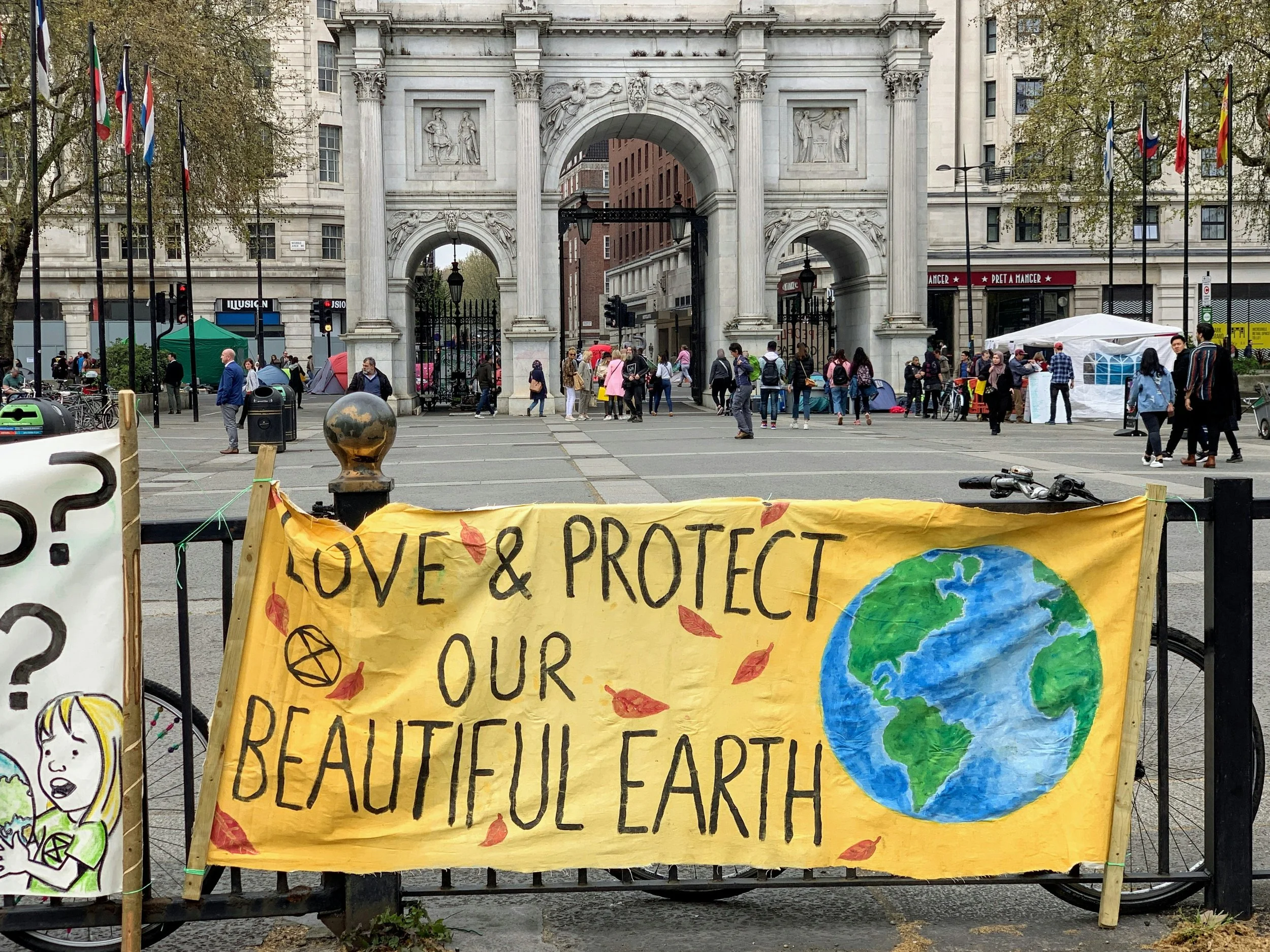
John Cameron, Unsplash.
Around the world, young people are finding their voices and stepping into the public arena to demand change. From climate action marches to petitions for better school policies, students are showing courage and leadership in ways that inspire communities. Yet, while their passion is undeniable, their efforts often face barriers—sometimes from institutions, sometimes from adults who don’t know how best to guide them.
If you’re an educator, parent, or community leader, one of the most meaningful things you can do is support students who want to speak out. Done thoughtfully, this support not only helps them make their voices heard, but also teaches them valuable life skills like communication, collaboration, and civic responsibility.
Here’s how you can nurture, encourage, and protect students as they engage in petitions, protests, and public speaking.
1. Listen first, guide second
Before offering advice or resources, start by simply listening. Ask students:
What issue matters to you most?
Why do you feel this needs attention now?
What change do you hope to see?
This step is crucial. When young people feel truly heard, they gain confidence. It also allows adults to understand their motivations and tailor support accordingly. Even if their ideas feel raw or idealistic, listening respectfully gives them the foundation to grow into effective advocates.
2. Teach the power of petitions
Petitions are often the first tool students use to express collective voice. They’re accessible, visible, and relatively safe. You can support students by:
Explaining what makes a strong petition: A clear goal, concise wording, and a compelling reason for others to sign.
Discussing target audiences: Who has the power to make the change they’re asking for—school boards, local councils, government agencies?
Introducing digital tools: Platforms like Change.org or school-based petition systems can amplify their message beyond their immediate circle.
Highlighting follow-up actions: Submitting a petition is just the beginning. Meeting with decision-makers or presenting their case publicly often comes next.
Guiding students through these steps turns petitions from a ‘signature drive’ into a real lesson in civic engagement.
3. Support Peaceful, Responsible Protests
Protests—whether a small walkout, a demonstration outside a town hall, or joining a global march—can be powerful expressions of solidarity and urgency. But they can also raise concerns about safety, legality, and school rules.
To support students:
Help them understand their rights: Many countries and regions protect the right to peaceful assembly, though rules may vary for minors.
Encourage safety planning: Emphasise travelling in groups, staying non-violent, and knowing emergency contacts.
Promote respectful engagement: Teach them how to disagree without hostility and how to interact with police, security, or opposition groups.
Create bridges with institutions: Sometimes, educators can negotiate with school leaders to allow symbolic walkouts or assemblies without severe penalties.
By guiding students through the logistics and ethics of protest, adults turn what could be a risky endeavour into a constructive learning experience.
4. Foster Skills in Public Speaking
Speaking in front of peers, school boards, or even local media is often more daunting than organising petitions or protests. Yet public speaking is one of the most powerful tools for advocacy.
Ways to help include:
Practice sessions: Offer safe spaces for students to rehearse speeches or presentations.
Constructive feedback: Focus on clarity, tone, and confidence rather than perfection.
Storytelling techniques: Encourage them to use personal experiences to connect with audiences.
Exposure opportunities: Arrange for them to speak at school assemblies, community meetings, or youth forums.
Public speaking develops not just advocacy skills but also self-confidence—something that will serve students for life, regardless of career path.
5. Teach advocacy with responsibility
While it’s important to empower students, it’s equally vital to help them understand the responsibility that comes with activism. Conversations about:
Accuracy: The importance of fact-checking before sharing statistics or claims.
Respect: Advocacy should challenge systems and ideas, not demean individuals.
Sustainability: Activism can be exhausting—students need to balance passion with self-care and academics.
This doesn’t dampen their energy; it strengthens their credibility. Responsible advocates are taken more seriously and can sustain their efforts over the long term.
6. Celebrate their efforts
Regardless of the outcome—whether a petition gains thousands of signatures or only a handful, whether a protest changes policy or simply sparks dialogue—acknowledge and celebrate students’ courage. Recognition reinforces their sense of agency and shows that their voices matter.
Simple gestures, like featuring their efforts in a school newsletter, writing letters of support, or hosting reflection circles, can make all the difference in motivating them to stay engaged.
7. Model active citizenship
Finally, the most powerful way to support student advocates is to model advocacy yourself. Share stories of times you signed petitions, attended rallies, or spoke at meetings. Show them that civic engagement is not reserved for adulthood—it’s a lifelong practice.
When students see adults living out the values of fairness, responsibility, and courage, they feel validated in doing the same.
Looking ahead
Students who want to speak out are not troublemakers—they are engaged citizens in the making. By supporting them in their petitions, protests, and public speaking, we do more than amplify their voices; we nurture future leaders who understand how to shape society constructively.
In a world facing urgent challenges—from climate change to social inequality—these young voices are not just important, they are essential. With the right guidance and encouragement, students can move from passion to impact, proving that change is possible when courage meets support.
