Celebrating World Poetry Day 2026: nature, wonder & words
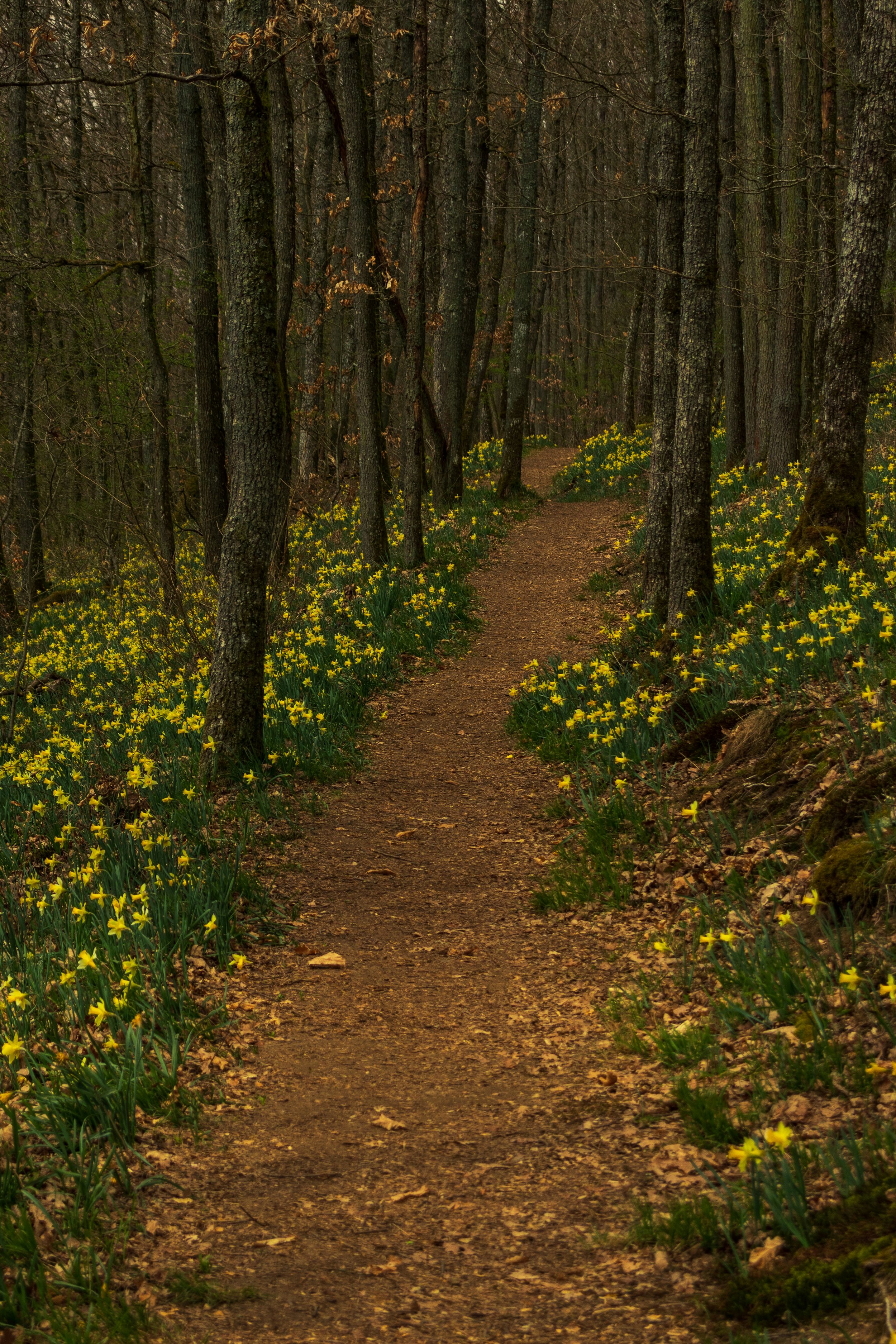
Subhasish Dutta, Unsplash.
Each year, on World Poetry Day, we pause to remember that poetry is not just language, but connection. Connection to memories, to people, and very powerfully, to the natural world. Nature poetry carries us outside, into forests, gardens, skies, rivers; it invites us to look closely at what might be ordinary, and see extraordinary beauty, mystery and even wisdom.
In 2026, as the climate conversation intensifies and more of us yearn for green, wild, and peaceful spaces, nature poetry feels especially urgent. It reminds us what is precious, what we risk losing—and what still sustains us.
Below I have drawn together some notable nature poets, with examples for adults and children so the magic of natural imagery can be shared by all ages.
Nature poets for adults
Nature has been a lifelong source of inspiration for many poets, from the Romantic era to the present day. A few standouts:
William Wordsworth — His famous poem I Wandered Lonely as a Cloud captures the delight and sustaining power of simply seeing a crowd of daffodils beside a lake.
Robert Frost — Frost often explored nature in relation to human life: seasons, woods, rural settings. Nothing Gold Can Stay, for example, meditates on the fragility and transience of beauty.
Mary Oliver — A more modern voice, whose work often focuses on close observation of wild places, simplicity, mindfulness. Her poem Poppies uses the imagery of poppies to explore attention, loss, and presence.
Seamus Heaney — In Death of a Naturalist, he reflects on childhood memories, rural life, and the changing relationship between humans and nature. The poem Digging in that collection, though less overtly about wild nature, still locates identity and craft in the land.
Samuel Taylor Coleridge — In Frost at Midnight, nature, memory, and hope are intertwined: the poet reflects on his own childhood, his child’s future, and the solace of natural surroundings.
Nature poems for children
Introducing children to poems about nature helps them build observation skills, wonder, and empathy for living things. Poems for children can be shorter, playful, and rhythmic, yet still rich with imagery and meaning.
Here are some classic and accessible poems:
The Rainbow by Christina Rossetti — bright colours, simple form, much delight.
Friends by Abbie Farwell Brown — lying under trees, looking up, seeing the sky: simple moments of natural beauty.
Winter Morning Poem by Ogden Nash — whimsical, light, capturing the fun and strangeness of winter’s transformation.
Rain by Spike Milligan — playful and rhythmic, engaging children’s sense of humour and sound. Included in many children-oriented nature poem collections.
The Caterpillar by Christina Rossetti — observing tiny life, movement, change.
Why nature poetry matters (especially now)
Connection & presence: In the age of screens, nature poems help us slow down, tune in to details—birdsong, wind, the curve of petals, even the way light shifts.
Mindfulness & mental health: Many poets show us how nature soothes grief, anxiety, or fatigue.
Environmental awareness: Poems don’t preach forcibly; they show. They make us care.
Learning & imagination: For children especially, poetry about nature ignites curiosity: Why do leaves change colour? How does rain smell? What lives under a log?
Ideas for celebrating National Poetry Day 2026 with nature
Read aloud outdoors: in your garden, park, or somewhere wild.
Compare poems: what differences do you notice between poems for children vs for adults?
Invite people (especially children) to write a short nature poem of their own—on a walk, looking at clouds, trees, or animals.
Pair a poem with nature photography or a walk to see imagery in real life.
Final Thoughts
Nature poetry reminds us that we are part of something larger. As we mark World Poetry Day in 2026, it’s worth pausing not only to read beautiful lines—but to listen: to the rustling leaves, to early morning light, to the fragile bloom, to what the wild teaches us.
Whether you’re reading Wordsworth or Rossetti, Heaney or Nash—or writing something fresh under a shady tree—may this World Poetry Day help you see the world more deeply, feel more fully, and live more connectedly.
