The magic of stargazing: inspiring wonder about our universe
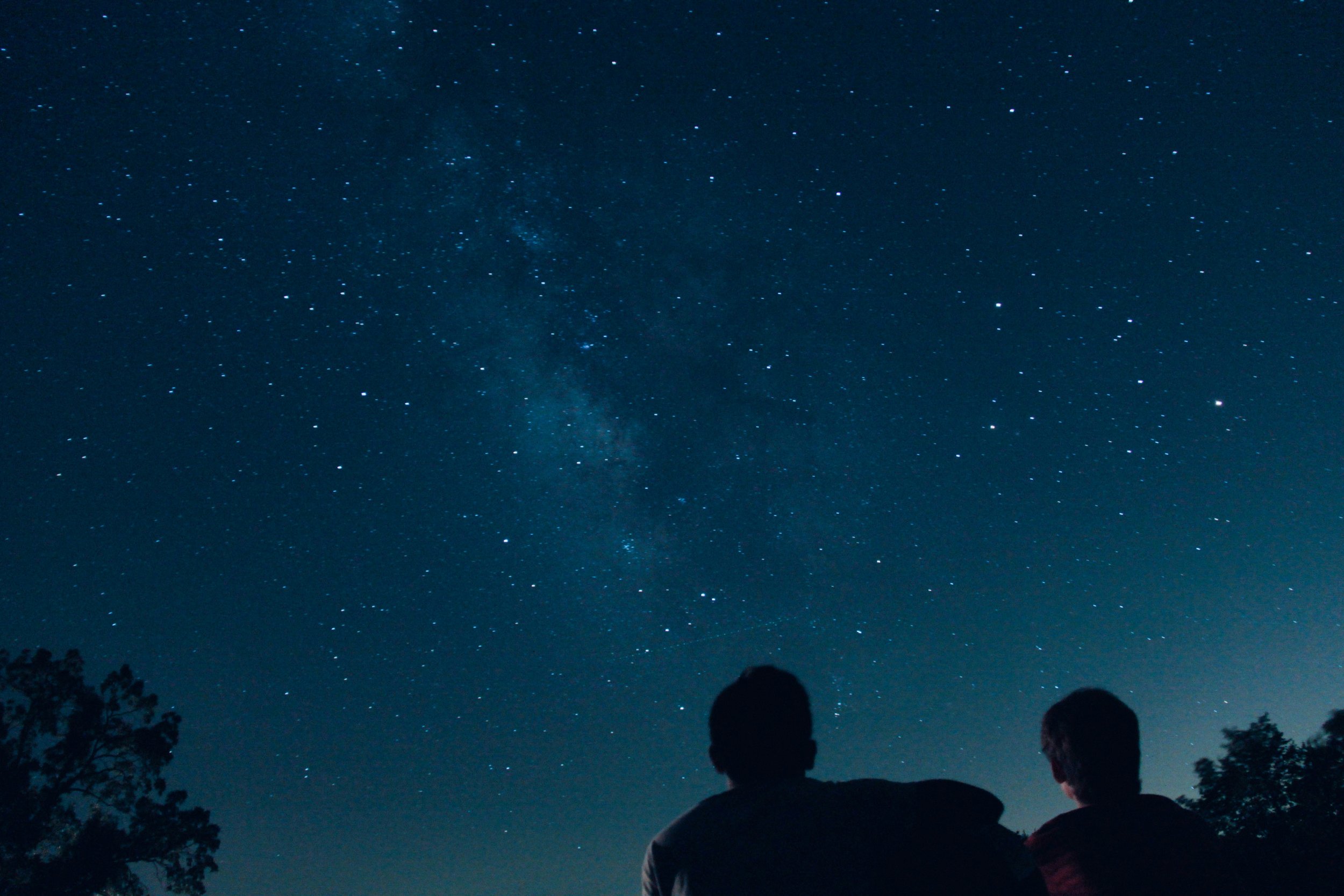
Ryan Jacobson, Unsplash.
On a clear night, when the lights of the city fade and the sky stretches wide and dark above us, the stars begin to tell their timeless story. For thousands of years, humans have looked up in awe, using constellations as maps, calendars, and myths. But beyond their ancient roles, the stars remain what they have always been—tiny points of light that spark wonder, curiosity, and imagination.
For children especially, stargazing is pure magic. It doesn’t require expensive tools or complicated lessons, just eyes, patience, and perhaps a warm blanket. The act of looking up can open a doorway to science, storytelling, and dreams of worlds beyond our own. In a world filled with screens and fast distractions, the stars invite children to slow down, wonder, and ask big questions about their place in the universe.
Stargazing as a gateway to curiosity
When children first notice that the stars move across the sky or that the moon changes shape, they begin to ask questions: Why does this happen? What’s out there? How far away are the stars? These questions are not just about astronomy—they are the seeds of curiosity itself.
Stargazing encourages children to:
Think scientifically: Observing patterns in the night sky lays the groundwork for understanding concepts like orbits, gravity, and light.
Dream creatively: The same stars that once inspired ancient myths now inspire stories of space travel and cosmic adventures.
Feel connected: Looking at the same sky their ancestors gazed upon gives children a sense of belonging to a story larger than themselves.
Making stargazing accessible
You don’t need a telescope to enjoy the night sky. In fact, some of the most magical experiences come from simply lying on the grass and noticing the sheer number of stars overhead. For families and educators who want to guide children in stargazing:
Choose a dark spot: The fewer artificial lights, the more stars you’ll see. Parks, rural areas, or even backyards with minimal light pollution work well.
Start with the naked eye: Identify easy constellations like Orion, the Big Dipper, or Cassiopeia.
Use binoculars: A simple pair can reveal craters on the moon or clusters of stars that are invisible to the eye.
Download a sky app: Many apps allow children to point a device at the sky to learn star names and constellations.
Novels that spark cosmic wonder
Stories have a way of carrying children into the universe even when the sky is cloudy. Several children’s novels blend the magic of storytelling with the mysteries of the stars, inspiring young readers to dream big.
Here are some beautiful examples:
A Wrinkle in Time by Madeleine L’Engle
A timeless classic, this novel combines science fiction and fantasy as children travel across galaxies to battle darkness. It introduces readers to the idea that the universe is vast, mysterious, and full of both danger and wonder.The Little Prince by Antoine de Saint-Exupéry
A gentle, poetic story of a young prince who travels from planet to planet, asking profound questions about love, friendship, and responsibility. Though simple, it encourages children to see the stars as companions and symbols of imagination.George’s Secret Key to the Universe by Lucy & Stephen Hawking
Written by the famed physicist and his daughter, this adventure blends storytelling with real science. Through George’s journey, children are introduced to black holes, planets, and the mysteries of space.Cosmos: A Spacetime Odyssey (Young Readers Edition) inspired by Carl Sagan’s work
While not strictly a novel, it brings the grandeur of space science into storytelling form, making the stars accessible to young minds.Every Soul a Star by Wendy Mass
This novel follows three children who come together to witness a rare solar eclipse. It beautifully mixes friendship, personal growth, and the wonder of astronomical events.
By weaving science with storytelling, these books ensure that the night sky is not just observed—it’s also deeply felt.
The deeper lessons of stargazing
Beyond science and stories, stargazing teaches children life lessons that stay with them long after the night is over:
Patience: Waiting for a shooting star or a planet to rise builds stillness in a fast-paced world.
Perspective: Realising how vast the universe is helps children put their problems in context.
Imagination: Constellations are proof that humans create meaning through storytelling. What children see in the stars today may become the myths of tomorrow.
These lessons nurture not just future scientists and astronauts but also poets, dreamers, and thinkers.
A shared human experience
One of the most moving parts of stargazing is that it is universal. Whether a child is in a bustling city or a quiet countryside, the stars above are the same. They remind us that no matter where we are, we are all part of the same vast universe. For children, this realisation can spark compassion and global thinking: if we all share the same sky, perhaps we can learn to share the Earth more kindly, too.
Inspiring the next generation
The stars are not just distant suns; they are invitations. Invitations to learn, to dream, and to imagine futures that stretch beyond our current limits. When children look up at the night sky, they’re not only seeing points of light—they’re glimpsing possibilities.
By pairing stargazing with stories, we give children both the scientific grounding and the imaginative wings they need to embrace the universe. Who knows? The child lying in the grass today, whispering wishes to a falling star, might be the astronaut, scientist, or storyteller of tomorrow.
